• ABOUT
  • PORTFOLIO
  • PRIOR
  • TEAM
  • NEWS
  • CONTACT
  • Investors
REDCO
  • ABOUT
  • PORTFOLIO
  • PRIOR
  • TEAM
  • NEWS
  • CONTACT
  • Investors

Redco Development Buys 189,000 SQFT Industrial Property in Fairfield for $19.75MM

https://news.theregistrysf.com/redco-development-buys-189000-sqft-industrial-property-in-fairfield-for-19-75mm/

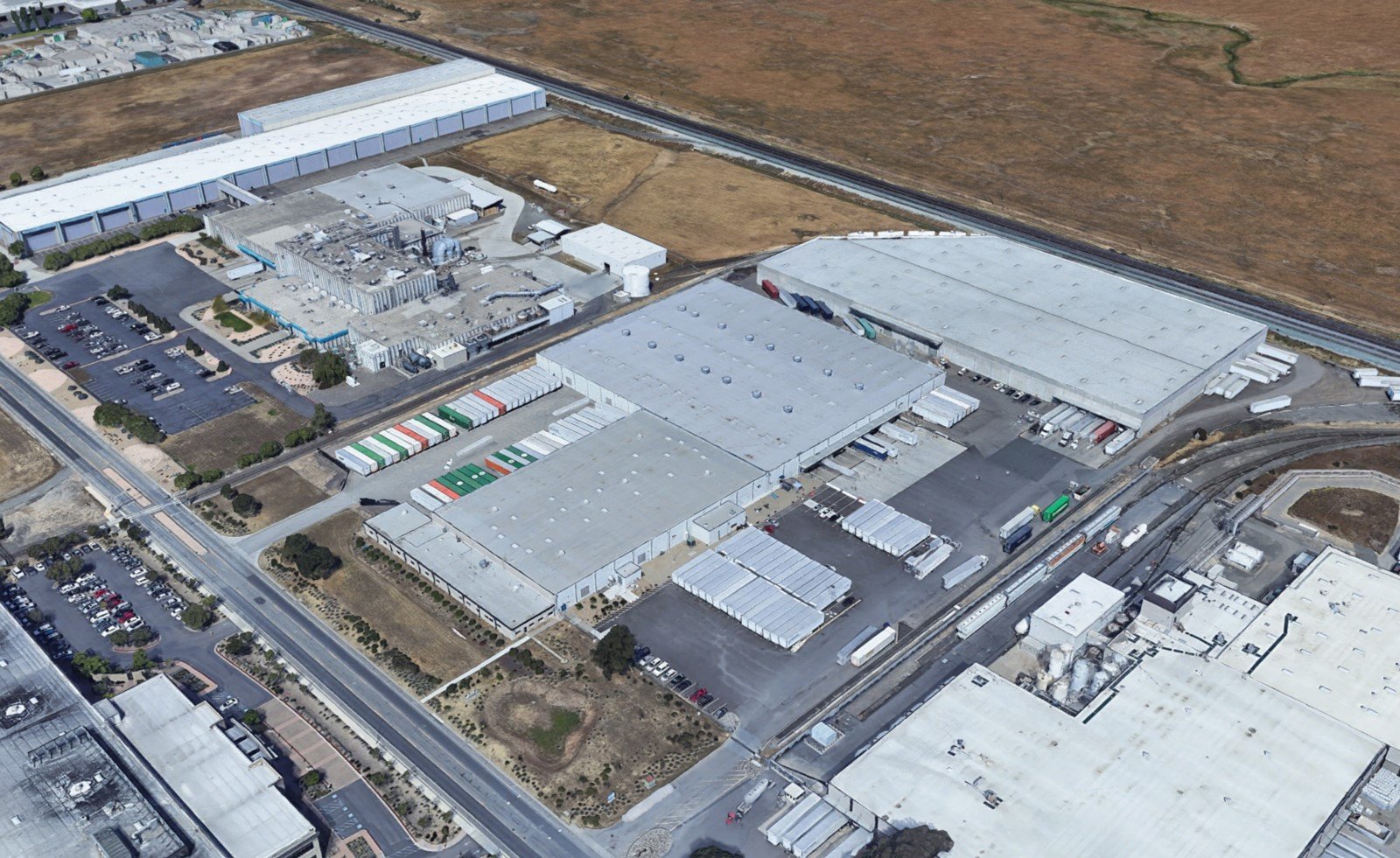
An industrial asset in Fairfield traded hands recently in a deal that shows the city continues to attract investors. REDCO Development purchased a 189,000 square foot property for $19.75 million, or about $104 per square foot, in a sale leaseback deal, according to information from the firm. The seller was The Clorox Company, which also occupies the property. The acquisition was completed with Blackbird Investment Group.

Located at 2500 Huntington Drive, the property is positioned in the East Bay on 12.1 acres of land. It allows access to Interstates 80, 12, 680 and 5. According to REDCO’s website, the building currently serves as a last-mile logistics hub for the distribution of Clorox’s bleach and wipe products. Among the building’s features are a 115-trailer yard storage and three rail doors. The property is also situated directly adjacent to Clorox’s main production bleach plant at 2600 Huntington Drive.

REDCO Development is a real estate development company focused on the adaptive re-use and repositioning of commercial properties, according to the firm’s website. The company concentrates primarily on value-add, infill opportunities and opportunistic development along the West Coast.

The firm has been involved in a number of development projects throughout the Bay Area.

Earlier this year, REDCO Development and New York Life Investments made an acquisition in Hayward, according to previous reporting from The Registry, spending $9.25 million on a 4.39-acre site for the redevelopment of a 98,000 square foot industrial project. The site is located at 25375 Clawiter Road. As part of the purchase agreement, Fremont Bank will lease the two existing office buildings on the site for the short term while REDCO Development and New York Life Investments obtain the necessary entitlements. At the time of the purchase, construction was estimated to commence in the first quarter of 2024, with the project anticipated to be completed later that year.


Saturday 12.16.23
Posted by Chris Freise
 

Redco Proposed Palo Alto’s Tallest Residential Tower

https://sfyimby.com/2023/11/redco-proposed-palo-altos-tallest-residential-tower.html

Preliminary plans have been filed for a mixed-use project with two new structures at 156 California Avenue in Palo Alto, Santa Clara County. The buildings will rise over a Caltrain Station, the tallest of which will be 17 floors. REDCO Development, the developer, aims to use Senate Bill 330 and the Builder’s Remedy for a streamlined approval process to create 382 apartments and a replacement for a Mollie Stone’s Market close to transit.

Of the 382 units, 77 will be designated as affordable to low-income households. The project can use Senate Bill 330 to expedite approval because it includes affordable housing. The developer also plans to invoke the Builder’s Remedy, an informal name for an ordinance in state law that provides a zoning holiday in cities with noncompliant Housing Elements. Since Palo Alto still needs state approval for their Housing Element plan, developers can bypass local zoning to create more housing if it includes some affordable units.

156 California Ave tower view, rendering by Studio Current

156 California Avenue pedestrian view of the site’s public space, rendering by Studio Current

Studio Current is responsible for the design. Illustrations show the towers clad with an angular metal skin, while the podium deck will be wrapped with a stone brick veneer. Construction will use a mass timber frame, an environmentally sustainable alternative to steel that can reduce costs and expedite construction.

One example of high-rise mass timber construction in the Bay Area is the topped-out apartment complex at 1510 Webster Street in Downtown Oakland. The Oakland developer, oWow, is now pursuing an even taller mass timber complex, which will rise 25 floors at 1523 Harrison Street.

Mollie Stone’s Market grocery store entrance, rendering by Studio Current

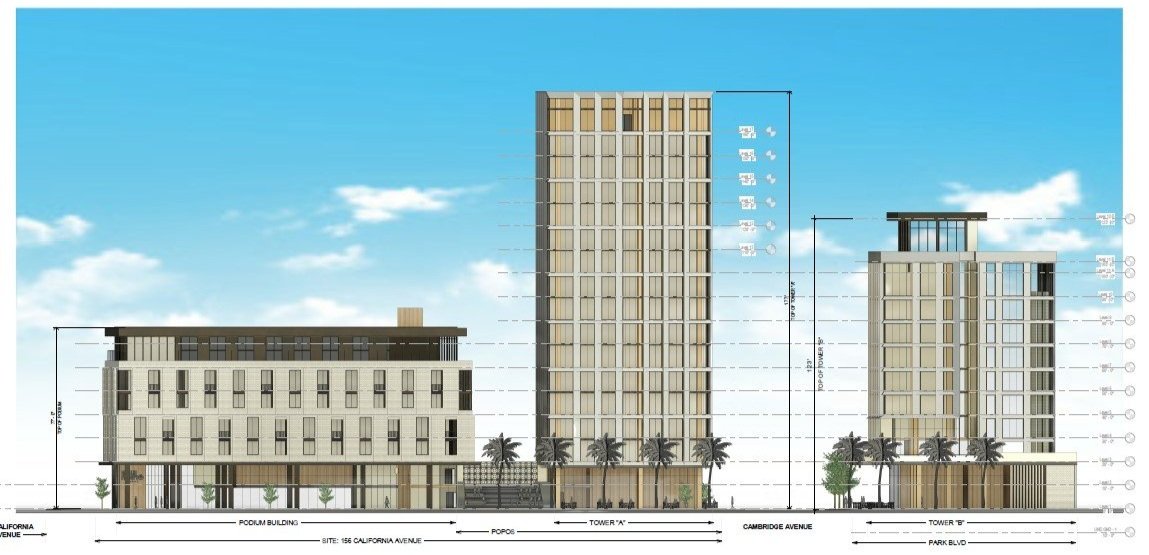
156 California Avenue tower elevations, illustration by Studio Current

156 California Avenue Calfiornia Avenue retail corridor perspective, rendered by Studio Current

The complex will create 516,470 square feet, with 355,800 square feet for housing, 141,390 square feet for parking, and 18,400 square feet for retail. The Mollie Stone’s grocery store will be created at the corner of California Avenue and Park Boulevard. Two additional retail spaces will be added along Park Boulevard and Cambridge Avenue.

Tower A and the podium will produce 304 apartments, including 80 studios, 155 one-bedrooms, and 69 two-bedrooms. The 177-foot tall tower will rise connected to the 77-foot podium block. The structure will be divided by a third-floor podium deck amenity space and pool. Tower B will rise 123 feet to have 78 homes, including 24 studios, 32 one-bedrooms, and 22 two-bedrooms. Parking will be included for 341 cars, mostly within a four-level garage in Tower A.

The project spans 1.43 acres between both parcels along Park Boulevard and California Avenue. The Tower A parcel will exceed an acre. Residents will be next to the California Avenue Caltrain Station and close to the retail-lined California Avenue thoroughfare.

156 California Avenue aerial view and proximity to adjacent Caltrain stop, rendered by Studio Current

156 California Ave perspective from California Ave Caltrain stop, rendered by Studio Current

If built, the proposal could become the second-tallest building and third-tallest structure in Palo Alto, superseded by the 237-foot offices at 525 University Avenue and the 285-foot Hoover Tower on the Stanford University campus. Once complete, the project will be the tallest apartment complex.

The development is a joint venture with Redco Development and Mollie Stone’s Market starting this month. If built, the project would fulfill roughly 6% of the city’s 6,086-unit RHNA allocation, the amount of housing the city is expected to approve between 2023 and 2031.

156 California Ave aerial perspective, rendered by Studio Current

Wednesday 12.06.23
Posted by Chris Freise
 

17-story housing tower proposed in Palo Alto, invoking ‘builder’s remedy’

View fullsize 2. Molly Stone Perspective.jpg
View fullsize 3. Tower Perspective.jpg
View fullsize 4. Aerial Birds Eye.jpg
View fullsize 5. California Ave perspective.jpg

https://www.sfchronicle.com/bayarea/article/palo-alto-california-ave-project-builders-remedy-18517534.php

A 17-story, 382-unit apartment complex that would tower over a key shopping corridor in mostly low-slung Palo Alto has been proposed by a developer invoking the “builder’s remedy” — a California law that lets builders skirt some restrictions in cities that lack state-approved housing plans.

The three-building complex proposed by Redco Development of San Francisco is a joint venture with Mollie Stone’s Markets, which operates a grocery store and parking lot on the site, at 156 California Ave., across the street from the Caltrain station just east of El Camino Real. The plan would include a replacement Mollie Stone’s in its ground-floor retail plan.

The complex’s central tower would rise to 177 feet, more than three times the city’s height limit of 50 feet, according to a planning department document. Its density of 267 units per acre would far exceed the 40 typically allowed, Palo Alto Online reported.

The pre-application was filed under SB330, the Housing Crisis Act of 2019, which seeks to streamline the permitting of residential projects by local agencies to help ease the state’s severe housing crunch.

California cities were also given a deadline in February to have in place state-certified “housing elements” — plans that map out how they will meet their mandated goals for number of new units over the next decade.

But many cities across the Bay Area are still struggling to comply. According to state data, 54 out of 109 jurisdictions in the nine-county region, or 49.5%, do not yet have state-certified plans. Among them is Palo Alto, which has adopted a housing element for building its required 6,086 housing units through 2031 but has not yet gotten the state’s sign-off.

On a web page about the 156 California Ave. project application, the city states that builder’s remedy does not apply in Palo Alto because the city has adopted a housing element “which it believes is compliant with the basic requirements of state law.”

But developer Chris Freise, managing partner of Redco, says the proposal qualifies as a builder’s remedy project.

“While the project’s Tower A height is ambitious, this a site that should embrace height due to its immediate proximity to the Caltrain stop,” said Freise in a prepared statement. “There are several existing Palo Alto projects like Palo Alto Square, The Channing House, 101 Alma, City Hall and others that are often forgotten about that are similar in height.”

The preliminary application was submitted Nov. 21. The developer has 180 days to submit a formal plan for review by the Palo Alto Planning & Development Department.  The mixed use development is slated for market-rate rental housing, including 77 affordable units making up 20% of the mix — fulfilling a builder’s remedy requirement.

But Palo Alto Mayor Lydia Kou, an outspoken critic of state laws that force cities to build housing, said the affordable total is about 30% short of what it should be, given the density of the proposed project.

“It is a ridiculous plan. It undermines the community with little benefit,” said Kou, noting that the project seeks to take advantage of state requirements meant to ensure that cities and towns build more housing at all levels.

“This project is using state mandates that limit democracy and do not address housing affordability issues that we are facing,” Kou said. “It is not helping our middle class or lower class with affordability.”

But Jordan Grimes, a lead member of Peninsula for Everyone, a pro-housing advocacy organization, called the project’s proposed location “an ideal place as far as new housing goes.” He noted that the Caltrain station is right there, with electrification on its way, delivering more trains per hour.

“You are looking for BART-style headways with Caltrain, coming in the next year,” Grimes said. “You want as many amenities as possible within a short distance, and having a grocery store nearby will reduce excess car trips.”

Amie Ashton, executive director of Palo Alto Forward, a small organization that supports housing and transportation choices in town, called the project “groundbreaking in terms of housing heights and density near transit, which is exactly what we want if we want to build a more sustainable future.”

In addition to 156 California Ave., Ashton noted that there are five projects either in the process or about to enter it, all of which could qualify as builder’s remedy projects. They include a proposed seven-story building with 380 units farther south on El Camino Real, which would replace the Fish Market restaurant.

There are already tall housing complexes in Palo Alto, the most obvious being 101 Alma, a blocky apartment building constructed in 1960, at 10 stories rising 141 feet. Condos there sell for between $1 million and $2 million.

“The market is there,” said Ashton. “People want to live near shops, services and jobs, and that’s what we need in order to reach our climate goals.”

According to Freise, 156 California Ave. represents “great urban design 101.”

“Add in the project’s heavy mass timber structural frame and it provides a beautiful sustainable aesthetic to set the standard for new mixed-use projects to come along the Peninsula Caltrain corridor,” he said.

Rafa Sonnenfeld of YIMBY Action, a nationwide organization of grassroots housing advocates based in San Francisco, called it “a beautiful project that is exactly the kind of thing that Palo Alto needs.” He cited research showing that there are 95,000 jobs in the city of Palo Alto and that only 36,000 of these employees live within city limits.

The proposal lies at the west end of the California Avenue retail corridor, a strip south of downtown that has been closed to through traffic since the onset of COVID-19 in 2020. The Stanford Research Park off Page Mill Road is just west of El Camino Real and within walking distance of the proposed development.

“This kind of project next to a Caltrain station should be a model for the future of smart growth on the Peninsula,” Sonnenfeld said.  
Wednesday 12.06.23
Posted by Chris Freise
 

Redco Development, Blackbird Investment Group Acquire 7.4-Acre Industrial Site in Puyallup for $6.3MM

https://news.theregistryps.com/redco-development-blackbird-investment-group-acquire-7-4-acre-industrial-storage-yard-in-puyallup-for-6-3mm/

Bay Area-based REDCO Development in partnership with Blackbird Investment Group, has successfully acquired an off market 7.4-acre industrial outdoor storage yard located at 7702 River Road in Puyallup, Washington for $6.3 million. REDCO Development was represented by Matt Murray and Matt McLennan of Kidder Mathews.

Jason Freise, managing partner and co-founder of REDCO Development, who oversees the company’s Pacific Northwest portfolio, expressed his enthusiasm for this acquisition. “River Road presents an exceptional opportunity given its attractive basis, prime location, site optionality, and compelling future development potential.”

Situated in the prominent River Road area, the property boasts excellent visibility and access to one of the region’s most commercially desirable streets. It provides unparalleled connectivity to key transportation hubs, including the Port of Tacoma, Seattle, and the broader Western U.S. region via I-167 and its major thoroughfares.

Matt Murray, Executive VP at Kidder Mathews, also shared his optimism about the River Road Industrial Center, stating, “We are very excited about the River Road Industrial Center given its proximity to the port, the forthcoming infrastructure improvements in the area, and the versatility of the asset. In the long term, this investment is poised to be a solid addition to the South Sound industrial market.”


Friday 10.20.23
Posted by Chris Freise
 

Redco looks to build 126 apartments in San Jose / Seven-story building would replace a liquor store and fitness center in Willow Glen

https://therealdeal.com/sanfrancisco/2023/06/26/redco-looks-to-build-126-apartments-in-san-jose/

Redco Development aims to build 126 apartments in San Jose.

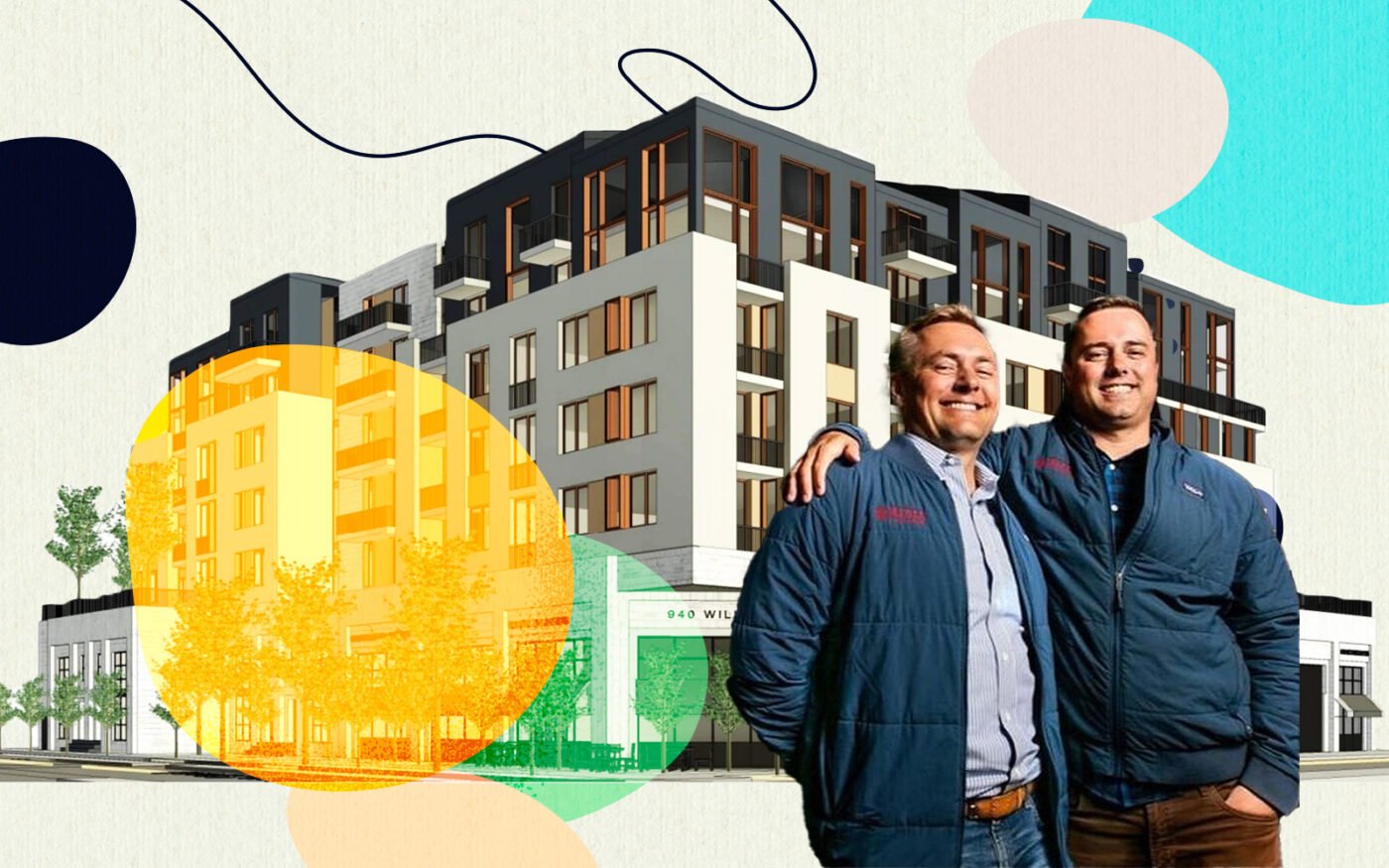
The San Francisco-based developer has filed preliminary plans to build a seven-story complex at 940 Willow Street in Willow Glen, SFYimby reported. It would replace a 5,000-square-foot building containing a liquor store and fitness center.

Plans call for 126 apartments above 1,800 square feet of shops at Willow and Kotenberg Avenue.

It would use SB 330 to fast-track approvals, with an undisclosed amount of affordable housing for very low, low- or moderate-income households.

The 0.8-acre project, designed by Studio Current, would include 52 studios, 51 one-bedroom and 19 two-bedroom apartments, plus four three-bedroom, townhouse-style units, according to the East Bay Times.

The apartments would be built atop a white, two-story podium clad in stone or concrete, according to a rendering. 

The next three stories would be sheathed in white, with the top two stories set back in gray. It would include large windows trimmed in brown, and balconies.

The proposed development is a few blocks from Lincoln Avenue, the main retail corridor of Willow Glen, and not far from the Highway 280 interchange. 

Monday 07.10.23
Posted by Chris Freise
 

More than 100 San Jose residences could sprout in Willow Glen

https://www.mercurynews.com/2023/06/14/san-jose-home-housing-real-estate-build-develop-willow-glen-apartment/amp/

SAN JOSE — A big housing development could replace a liquor store site in San Jose, a proposed project that would add more than 100 residences to the city’s Willow Glen district.

The project could sprout at 940 Willow Street, according to the proposal filed by Redco Development, a company whose managing director is real estate executive Chris Freise.

The seven-story apartment complex would be built at the corner of Willow Street and Kotenberg Avenue, according to a preliminary proposal on file with city planners.

The project would consist of 126 apartments and include ground-floor retail, the plans filed by Redco Development show.  “The property is currently a 5,000-square-foot, two-tenant underutilized retail strip building,” Redco Development states on its website, referring to the proposed development location.  At present, BWS, a beer, wine and spirits store, and Fit Body Boot Camp fitness center are located at the 940 Willow Street site, which totals 0.8 acres.

The 126 units would consist of 52 studios, 51 one-bedroom units, 19 two-bedroom units and four three-bedroom units in townhouse style, the development plans state.

Because this is a very preliminary proposal, it’s possible that the project would ultimately be different in its final form.

Thursday 06.22.23
Posted by Chris Freise
 

Redco Development & New York Life Plan 98,000 SQFT Industrial Redevelopment in Hayward

https://news.theregistrysf.com/redco-development-new-york-life-plan-98000-sqft-industrial-redevelopment-in-hayward/

Redco Development and New York Life Investments have made an acquisition in Hayward, California, spending $9.25 million on a 4.39-acre site for the redevelopment of a 98,000-square-foot industrial project. Located at 25375 Clawiter Road, Hayward, CA, this property holds immense potential for ground-up industrial development in a highly supply-constrained infill submarket.

The acquisition came after Fremont Bank, the previous owner/occupant, experienced several unsuccessful marketing attempts. As part of the purchase agreement, Fremont Bank will lease the two existing office buildings on the site for the short term while Redco Development and New York Life Investments obtain the necessary entitlements, according to Redco’s website. Construction is estimated to commence in the first quarter of 2024, with the project anticipated to be completed later that year.

What makes this property particularly appealing for Redco and New York Life is its strategic location. Situated less than half a mile from the first exit off Highway 92 and I-880 interchanges, it offers excellent connectivity and accessibility. The surrounding area has witnessed a number of new developments by various institutional owners, further enhancing the desirability and potential for success.

“We believe our project will be a highly desired asset for near and longterm on the improving Clawiter Road corridor with high identity corner and great highway access,” said Chris Freise, managing partner & co-founder of REDCO Development, who oversees the company’s Northern California portfolio.

One advantage that the development team sees in this site is its high-profile corner entrance into the Diablo Industrial Park, located at the intersection of Diablo Avenue and Clawiter Roads. This high-identity corner entrance will contribute to the visibility and recognition of the industrial project and likely attract potential tenants and investors.

The redevelopment of this 98,000-square-foot industrial project presents an opportunity in the growing Hayward industrial market. Redco Development and New York Life Investments see the potential of this project and its ability to cater to the needs of businesses seeking modern industrial facilities in this region. The companies will begin seeking entitlements as soon as possible and plan to have construction commencing in early 2024.

The brokers who helped make this deal possible include Dave Haugh of Newmark, along with Mark Maguire and Nick Mascheroni of Colliers, who represented Fremont Bank on sale.

Wednesday 06.07.23
Posted by Chris Freise
 

Redco Development Buys Iconic Ballard Warehouse & Former Home of Hales Ales for $8MM

https://news.theregistryps.com/redcom-buys-iconic-ballard-warehouse-former-home-of-hales-ales-for-8mm/

REDCO Development, a Bay Area-based developer focused on adaptive reuse and value-add industrial properties, and financial partner Blackbird Investment Group closed on the 35,750 square foot warehouse located at 4301 Leary Way NW in Seattle, Washington for $8 million dollars, or $224 per square foot. 

Located on the border of Fremont and Ballard, in the heart of Seattle’s brewery district and home to more than nineteen of Seattle’s best breweries all within a one-mile walkable radius. The Property has roughly $2.5 million dollars of existing equipment and infrastructure creating an extremely attractive plug-and-play opportunity for future brewery tenancy. Inversely, the brewing equipment can be removed for traditional warehouse, manufacturing or creative office type tenancy allowing for greater flexibility.

“Exceptional opportunity as it is a perfectly positioned creative class industrial building which lends itself to a multitude of industrial and alternative users,” shares Jason Freise of REDCO Development. Andrew Stark of CBRE continues to add, “this is an iconic building with historic roots in a convenient, high visibility location. It is rare to find a standalone industrial building of this quality near a city center.”

The former owner and staple craft beer innovator, Mike Hales of Ales Brewery, operated the brewery for almost 39 years. Founded from a passion for English brewing methods, Hales first introduced cask and nitrogen conditioned ales to the region in 1983 and began closing down operations in April 2022.

REDCO plans to rehab the existing structure to create a highly desirable destination for both local businesses and unique experiences.

Friday 06.03.22
Posted by Jason Freise
 

Redco pitches 200K square feet of life sciences space for West Berkeley

https://www.bizjournals.com/sanfrancisco/news/2021/09/29/redco-742-grayson-life-sciences-west-berkeley.html

San Francisco-based REDCO Development wants to build a 210,000-square-foot life sciences facility in West Berkeley, a project it says could add as many as 700 jobs to a part of the city already known as an economic hub.

Oakland-based architect brick. submitted a preliminary design review application for the proposed four-story facility at 742 Grayson St. on Sept. 1. The proposal includes 187,000 square feet of research and development space, a 18,327-square-foot outdoor terrace and a seven-story parking garage with 362 spaces.

There are two existing buildings on the 2.5-acre property — a nearly 35,000-square-foot former warehouse and distribution facility and a 7,500-square-foot office building. REDCO earlier this year leased the two buildings for 18 months to Berkeley for use as an emergency homeless shelter with capacity for 50 people. That lease, for $16,500 a month, began July 1 and lasts through the end of September 2022, after which point it is month-to-month, according to city documents. REDCO Managing Partner Chris Freise said the proposal was still in early stages, suggesting it could be a year or so before necessary permits are obtained. Construction of the new buildings — which would require demolition of the existing structures — is at least two years away, he said. REDCO proposed committing additional resources to helping Berkeley find an alternative site for the shelter and its services once development begins.

“We’re not really renting it for profit — we were trying to give a community benefit to the city for a need,” Freise said of leasing the properties to the city. REDCO has been working in partnership with Berkeley throughout the application process, he said.

REDCO acquired the property in an off-market sale for an undisclosed amount in 2017, according to its website, and recently secured the city’s permission to change the site’s address to 700 Grayson St., Friese said.

The project could employ as many as 700 workers. Up to 15% of jobs located at the project would cater to workers without an advanced degree, according to the application.

The site falls under the West Berkeley Plan area, which requires new developments to preserve at least 25% of previous warehouse floor area for manufacturing use. REDCO and the cityare working to determine exactly how much manufacturing space the project will be required to have, Freise told me.

Bayer’s Berkeley Campus is directly north of the project, which is also proximate to Aquatic Park, an existing innovation hub slated for development into additional life sciences space.

Tuesday 10.19.21
Posted by Chris Freise
 

Developer Drops $39 Million on Bay Area Industrial Site Neighboring Amazon, FedEx

Shaw Road-16.jpg

https://www.costar.com/article/21248525/developer-drops-39-million-on-bay-area-industrial-site-neighboring-amazon-fedex

REDCO Scoops Up South San Francisco Warehouse as Part of Sale-Leaseback Deal

A local developer is digging its heels into the Bay Area's strengthening industrial market with the $39 million acquisition of fully occupied warehouse space located among some of the region's most prominent tenants.

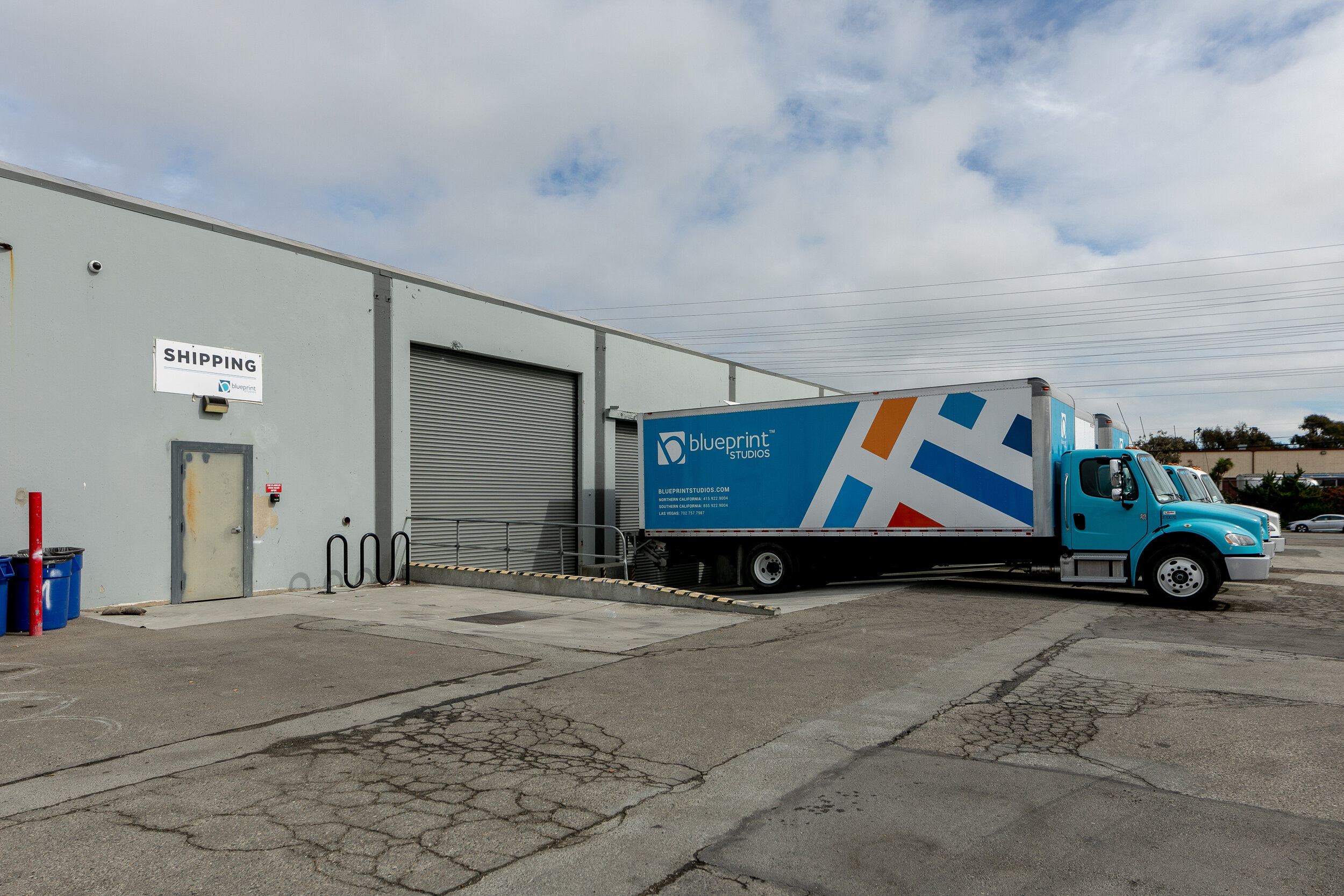
REDCO Development, a San Francisco developer focused on adaptive reuse and value-add properties, closed on the 4.6-acre site at 344-352 Shaw Road in South San Francisco, California, as part of a sale-leaseback deal. The former owner, event design and production company Blueprint Studios, agreed to stay on as the anchor tenant in the 127,000-square-foot warehouse space, according to CoStar.

Blueprint's leaseback deal extends through 2026, after which REDCO is able to expand, upgrade or lease out the mid-1950s property.

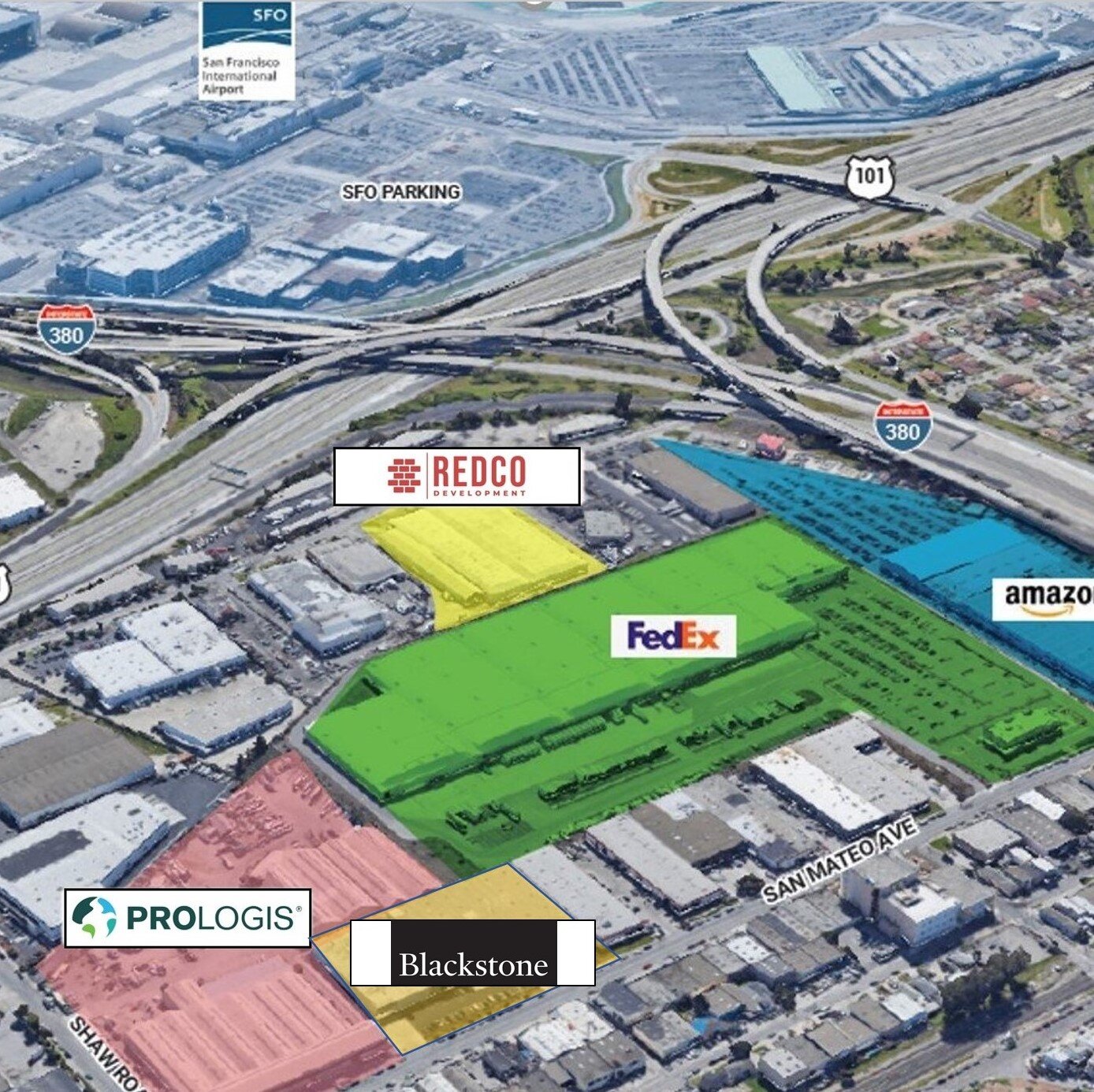
Located a short drive away from the San Francisco International Airport, the site is nestled among large industrial tenants including Amazon and FedEx. South San Francisco's limited pool of industrial properties makes the Shaw Road building one of the last available warehouses in the region that can be redeveloped to capture accelerating demand for distribution space.

That rising demand over the past year has largely been driven by last-mile logistics companies, tech tenants hunting for flex space and biotech firms expanding into new lab and research availabilities.

However, meeting that demand is another story. The region has a lack of available industrial-zone land, weak infrastructure and limited distribution facility potential, according to CoStar analysis. The Bay Area's skyrocketing land values over the past several years have also been a factor in hampering new developments.

A little more than 2 million square feet of industrial construction is underway throughout the greater San Francisco area, most of which is biotech and life science space concentrated around South San Francisco, according to CoStar.

Even with the dwindling pool of value-add opportunities in the region's industrial market, REDCO still scored somewhat of a deal for its new Shaw Road purchase.

The deal closed at about $307 per square foot and $195 a foot for the land itself. The current market average is $324 a foot, according to CoStar, a slight increase from the $313 per foot reported last year.

Neither REDCO nor Blueprint responded to CoStar News' requests for comment.

Saturday 03.20.21
Posted by Chris Freise
 

Redco Development Buys South San Francisco Industrial Asset for $39MM

Building Front.jpg

https://news.theregistrysf.com/redco-development-buys-south-san-francisco-industrial-asset-for-39mm/

San Francisco-based REDCO Development has purchased the existing 127,000 square foot industrial asset in South San Francisco located at 352 Shaw Road for $39 million, as stated by the buyer on its website.

The asset is located on a 4.6-acre tract. The purchase price comes to around $309 per square foot and $195 per square foot of land.

The seller of the property was Blueprint Studios, an event design and production company, and the transaction was completed as an off-market sale. Part of the sale agreement included a five-year leaseback on the property, which would allow the seller to remain the building for the foreseeable future.

“We will begin marketing the property for lease immediately, and it will be available for occupancy as early as mid-2022 given the flexible landlord termination right that was structured with the sellers,” said Chris Freise, a managing partner with REDCO. The leasing efforts on the property will be led by Matt Squires, an executive managing director with Cushman & Wakefield who works out of the company’s Burlingame office.

There is a possibility that the property could be expanded in the future, however, Freise declined to speculate on how much larger the asset could be down the road.

352 Shaw Road has seen some recent upgrades made to the property by the seller. This includes new ESFR sprinklers, new dock high and grade level loading positions on all four corners of the property, best-in-class office buildout and clear-span column free truss framing with the ability to rack three levels high.

The sale of 352 Shaw and the trade of 200-218 Shaw Road represent what is likely the last true industrial zoned assets to be sold in the South San Francisco industrial market. The industrial footprint in the market continues to decline, which has made existing product all that more valuable. Most of the other properties in the area have been either re-zoned for other uses or are already owned by companies that have little interest in selling in the near and medium term, according to industry sources.

The acquisition of 200-218 Shaw was completed by Prologis, which purchased the building for $76.65 million at the very end of last year. The listing agent on the sale was CBRE, which was led by Rebecca Perlmutter, an executive vice president with the firm.


Saturday 03.20.21
Posted by Chris Freise
 

Prologis, Redco buy two large warehouses in South San Francisco

SSF Aerial v2.jpg

https://www.bizjournals.com/sanfrancisco/news/2021/03/15/south-san-francisco-warehouse-sales.html

Two adjacent warehouses in South San Francisco traded hands recently in separate deals.

Prologis (NYSE: PLD) bought the 140,000-square-foot warehouse at 200-218 Shaw Road in December for $76.65 million, or about $547 per square foot. The seller of the 8.2-acre property was not disclosed.

Nearby, REDCO Development in February scooped up a 127,000-square-foot industrial property at 352 Shaw Road for $39 million, or $309 per square foot. The seller of the 4.6-acre site was Blueprint Studios.

Both properties are located west of Highway 101 near San Mateo Avenue, an area home to major industrial users such as Amazon and FedEx.

Dave Black and Marshall Hydorn of CBRE will market the Prologis property for lease. Prologis, a San Francisco real estate investment trust, did not respond to a message seeking comment on Monday.

At the second property, REDCO entered into a five-year sale-leaseback with seller Blueprint as part of the off-market transaction. REDCO retains to the right to terminate the lease with Blueprint, which is planning to relocate from the property.

BluePrint Studios’ recently conducted substantial renovations to the property, including an office buildout, REDCO said in a statement.

The development company, which is headed by brothers Chris and Jason Freise, is primarily focused on commercial value-add and development opportunities in the Bay Area and in Seattle areas.

The property will be marketed for lease by Matt Squires of Cushman & Wakefield.

Wednesday 03.17.21
Posted by Chris Freise
 

Puget Sound Industrial Leases Inked with Speed Heading into 2021

RegistrySeattlePhoto.jpg

https://news.theregistryps.com/puget-sound-industrial-leases-inked-with-speed-heading-into-2021/

A number of major industrial leases have the Puget Sound’s local market off to a quick start in 2021. Following on the heels of a difficult 2020, a number of leases—almost all of which are greater than 100,000 square feet—have been signed in recent weeks as both local and national companies look to grow.

“Despite mixed results on the economic side, the region’s industrial market continues to be solid,” states Kidder Mathews in its most recent industrial report, released at the end of 2020.

Between March and April, unemployment spiked to 16.6 percent as the region lost 315,000 jobs. Over the course of 2020, the region regained 210,700 jobs with the unemployment rate lowering to 5.1 percent in November.

Leasing activity was higher during the fourth quarter, with 2.7 million square feet absorbed by companies throughout the region. Many of the leases recorded by Kidder Mathews during the end of the year were greater than 100,000 square feet. PCC Logistics took 322,345 square feet of space at 1525 E D Street in Tacoma, owned by Industrial Realty Group. Over in Kent, Lineage Logistics signed up for just under 180,000 square feet at Springbrook 188, while Filson, a clothing retail company, took 126,028 square feet at Van Doren’s at 228th.

Coastal Pacific Food Distribution signed a lease for more than 170,000 square feet at the Fife Corporate Center and Article took Portside 55’s Building C, which totals 168,150 square feet.

In other recently reported leases corporate transportation firm TransWest executed a 212,000 square foot lease at a SODO asset owned by REDCO Development.

“Fortunately, we continue to see rates increase across a variety of product types. New highwater marks are being set daily…even in a COVID-19 environment,” explained REDCO Development’s Jason Freise. “SODO locations are getting snapped up by a variety of users, from small to large. REDCO’s experience isn’t unique, many are seeing the benefits of the market as tenant demand remains strong and not a lot of available options.”

Other significant leases include Shift, a car buying platform, has signed an 83,863 square foot lease at Prologis Park Seattle-Portside, as well as Amazon, who leased 470,000 square feet at Black Creek Group’s Lakewood Logistics Center II. Amazon has 7million square feet leased or committed and possibly looking for more space, states Kidder Mathews.

And, according to industry reporting, Tesla could also become Amazon’s neighbor at the Lakewood Logistics Center and is in talks to take 206,000 square feet.

Combined, the leases show plenty of activity in the market, despite concerns about the economy and the potential impact Boeing’s recent struggles could have on the wider market. At the end of 2020, the region recorded 2.7 million square feet of positive net absorption and there are nearly 4.3 million square feet of leases signed and tenants gearing up to move in in the next nine months. Vacancies could increase as Boeing cuts down production, but many firms are still eager to make their mark on the region.

“Seattle fortunately has a huge presence of other industries that continue to need a highly skilled employee base and top-quality facilities…,” noted Freise. “I believe its these other industries that will be the beneficiaries of Boeing’s decision.”

Proximity to a health employment base, demand from large logistics users and already tight supply will continue to drive the market heading into 2021, with experts hopeful that true recovery is on the horizon.

Friday 01.15.21
Posted by Chris Freise
 

TransWest Executes 212,000 SQFT Lease in Seattle to Support Growing Client Base

TransWestPic.jpg

https://news.theregistryps.com/transwest-executes-212000-sqft-lease-in-seattle-to-support-growing-client-base/

TransWest (https://www.transwestco.com/) , the Seattle based corporate transportation leader, has executed a lease for 212,000 square feet of commercial property along First Ave South and the West Seattle Bridge in efforts to support their growing Pacific Northwest client base.

The lease at 60 S Spokane and 3411 1st Ave S will set a new highwater mark for industrial yard in Seattle, comprising of a 33,000 square foot office, training, and maintenance facility, and 174,000 square feet of yard space for their fleet.

“This first-class facility is intended to be our long term home in the Pacific Northwest that will allow us to serve and support our fast-growing operations and leading position within the Pacific Northwest,” shared Russell Nickel, TransWest CFO.

John Vernon of NAI represented TransWest while Evan Lugar of Kidder Mathews and Kevin Skillestad of Neil Walter Company represented REDCO Development. “We are very pleased with the final result” added Jason Freise of REDCO development “and want to give special thanks and recognize the collective efforts of TransWest, John, Evan and Kevin for such a successful outcome.”

This site along with other recent transactions closed just this last month with executed leases in escrow indicates REDCO’s commitment and strength in the Seattle SODO industrial market.

TransWest develops and delivers custom transportation services and off-site parking procurement and management solutions for some of the most innovative and demanding clients throughout North America.

REDCO Development (“REDCO”) is a 3rd generation real estate development company focused on the adaptive re-use and repositioning of commercial properties. REDCO concentrates primarily on value-add, infill opportunities and opportunistic development along the West Coast.

 
Thursday 01.07.21
Posted by Chris Freise
 

SODO property sells for over $7M

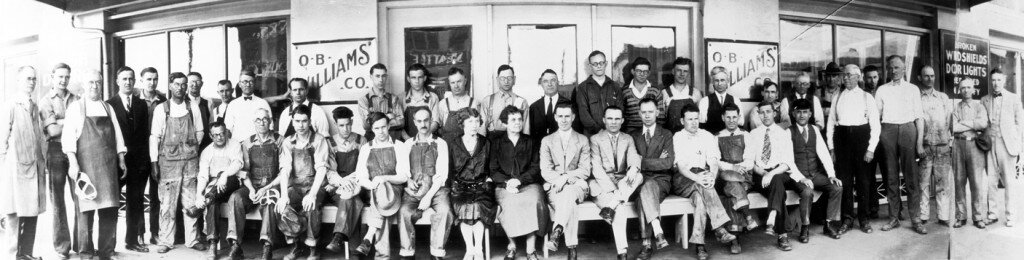
20029-347j.jpg O.B. Williams Historic.jpg O.B. Williams Historic 2.jpg

https://www.djc.com/news/re/12137276.html?action=get&id=12137276&query=redco

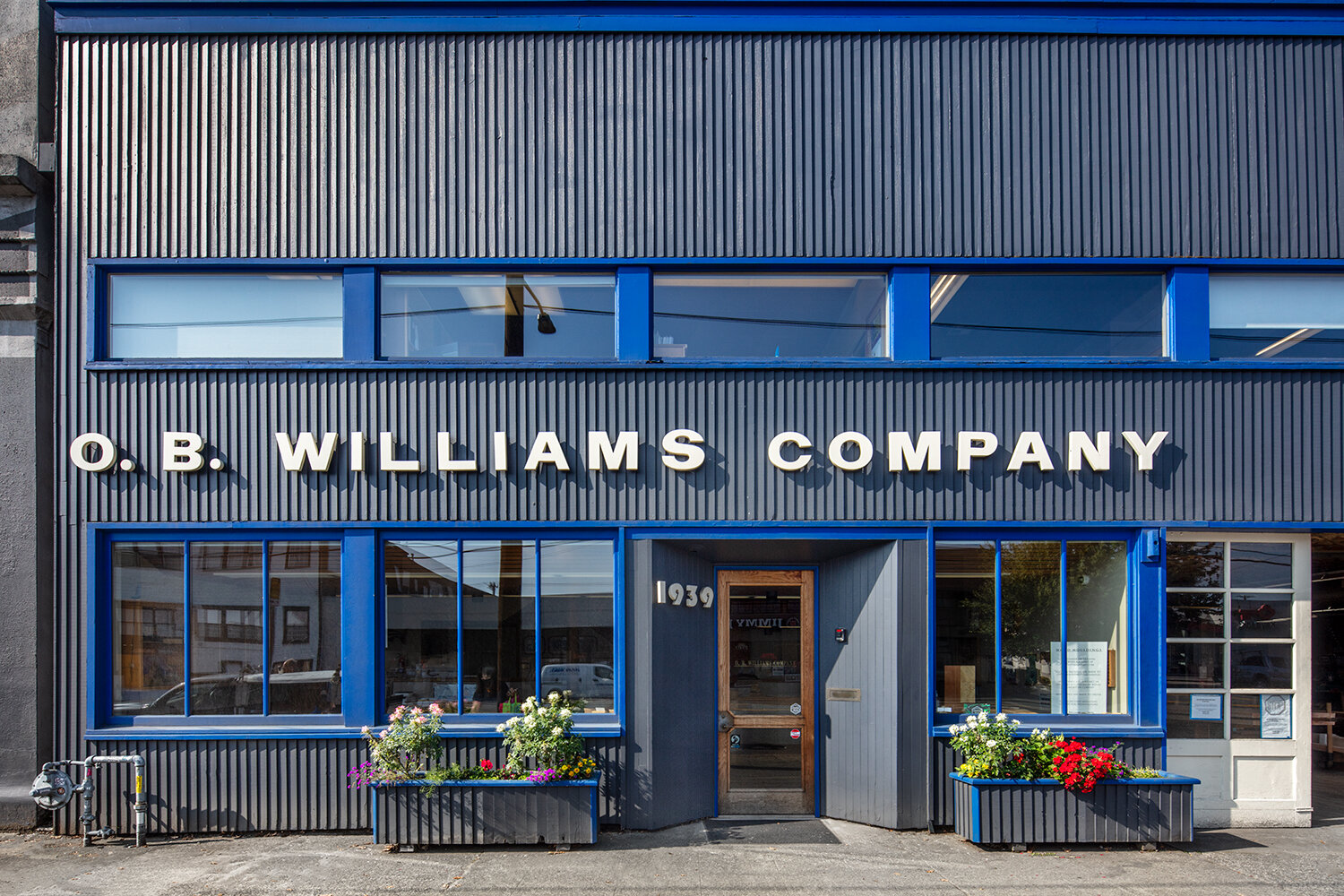
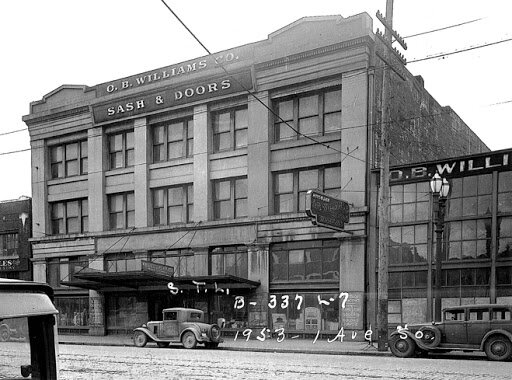
The O.B. Williams millwork complex at 1939 First Ave. S. sold for over $7.2 million, according to King County records. The seller was McCoy Properties LLC, which acquired the property in 2000 for $950,000.

The buyer was Redco First Ave 1939 Owner LLC. Redco, based in San Francisco, has lately become an active buyer of industrial properties.

The deal was worth about $176 per square foot.

Developed on a little under an acre, there are four buildings with about 41,224 square feet. They date from about 1907-1914.

O.B. Williams was founded in Fairhaven, near Bellingham, in 1889. It moved to Seattle in 1902. The business was owned during the postwar years by the McCoy family, who began selling it to current sole owner David Wick in 2000.

Meanwhile, Redco keeps adding to its industrial portfolio. Last month it bought the nearby Northwest Castings building, also in SODO, for $4 million.

Saturday 12.26.20
Posted by Chris Freise
 

Redco to clear big SODO site for possible redevelopment

https://www.djc.com/news/re/12130812.html

The recent buyer of the 4.5-acre Hardware Specialty Co. property, at 60 S. Spokane St. in Sodo, has filed a demolition plan to clear the site.

The architecture firm Nelson filed the plan on behalf of the San Francisco-based owner.

Redco acquired the property last July for $22 million. At the time, family-run Redco said it would lease back the property to the seller, Hardware Specialty Co., for a while.

Clearing the property, which is also bounded by Colorado Avenue South and the Spokane Street Viaduct, is a likely first step to redeveloping.

No new building plans have been filed.

Redco calls it “well positioned for continued last mile delivery or redevelopment opportunities.”

The DJC was unable to reach Redco for comment.

Family-run Hardware Specialty Co., which specializes in maritime products, moved to Lynnwood last September.

On behalf of Redco, Kidder Mathews has been attempting to lease the old complex, with about 80,000 square feet in multiple old buildings, for about six months. KM also says it could be rented as a bare yard.

Redco is run by Jason and Chris Freise; the latter knows the Seattle market from a local stint here with Vulcan Real Estate. Their company is named for their grandfather's old masonry business: Robert E. Daniels Co. Masonry, aka Redco Masonry.

Saturday 12.26.20
Posted by Chris Freise
 

California investor REDCO Development nabs 2 Seattle properties for $31M

https://www.djc.com/news/re/12124095.html

New firm Redco Development has entered the Seattle market with a splash. In two sales King County recorded on Wednesday, the Bay Area investor has purchased two older industrial properties for about $30.75 million. They are:

• The Nordic Building, at 548 First Ave. S. in Pioneer Square, which sold for $8.75 million. The seller was Nordic Cold Storage, which occupies and has owned the property for decades. The county says it has 68,700 rentable square feet. It was constructed 1904 as a cold storage and meat smoking plant, back when there were railroad tracks on both sides of the building. The deal was worth about $127 per square foot.

• The Hardware Specialty Co. property at 60 S. Spokane St. in Sodo, which sold for $22 million. The seller was also the occupant, which purchased the property in 1996 for $3.5 million. The 4.5-acre property, just north of the Spokane Street Viaduct, has multiple attached buildings with around 85,000 square feet. It was developed in 1941. The deal was worth around $259 per square foot.

Brokers were not announced in what Redco says were off-market transactions. Redco says it will lease back both properties to the sellers for a few years.

Redco, founded earlier this year by Chris and Jason Freise, is named for their grandfather's old masonry business: Robert E. Daniels Co. Masonry, aka Redco Masonry.

Chris Freise, who once worked here with Vulcan Real Estate, was until recently with Lift Partners of San Francisco, which has purchased several old industrial properties in our region, then leased them back to the sellers or occupants. Redco seems to be following a similar investment model. It lists nine properties in its portfolio, mostly in California.

While no redevelopment plans have been filed yet for the Nordic Building, Redco says its “business plan is to (use) cash flow as a cold storage building while working on redevelopment plans as office or residential with additional floors added similar to adjacent properties.” Renderings on its website show just that.

Also addressed at 547 Occidental Ave. S., the four-story midblock building is in the Pioneer Square Preservation District, just west of CenturyLink Field. Any additions would have to be approved by the preservation board.

A past example of such an addition is the Reedo Building immediately to its north, now home to Elysian Fields, where a bilevel fourth floor with mezzanines was added in circa 2006 by past owner Greg Smith.

On the west side of the Nordic Building is the Triangle Tavern (officially called Seattle's Historic Triangle Pub); and west of that the viaduct is nearly gone, greatly increasing the value of the Nordic Building.

Including the Nordic Building's basement, which is entirely refrigerated and features a giant compressor wheel, the building totals around 83,400 square feet.

Family-owned Hardware Specialty Co. was founded in 1947. It specializes in maritime products. No redevelopment plans have been filed there. But, as with Nordic Cold Storage, Redco's website does show a possible future plan. That total redevelopment could yield a large four-story warehouse of the kind so coveted by the logistics industry.

Monday 08.19.19
Posted by Chris Freise
 

How Jason Freise of Redco Development measures success via quality

Jason Freise of REDCO Development, near the pinball machines at Miniboss arcade bar, which is located in a downtown San Jose property known as the Saratoga Capital Building.

Jason Freise of REDCO Development, near the pinball machines at Miniboss arcade bar, which is located in a downtown San Jose property known as the Saratoga Capital Building.

https://www.bizjournals.com/sanjose/news/2019/05/24/how-jason-freise-of-redco-development-measures.html?iana=hpmvp_sjo_news_headline

Jason Freise has spent his career so far working his way up the ranks at Southern California-based OluKai, a footwear and lifestyle giant, but his roots, he says, are in real estate and he’s now tapping into that history.

The 34-year-old partner and co-founder of Palo Alto-based REDCO Development is relaunching an old family business this year in partnership with his brother, Chris Freise, who is already a recognizable name in Bay Area real estate circles. Together, they’re following in the footsteps of their grandfather, who in 1956 started the Robert E. Daniels Co. Masonry, known as REDCO Masonry.

Jason remembers the company as a family effort growing up and says he’s wanted to work with his brother again for more than a decade.

“We've wanted to work together and build something together,” he said. “Even after I graduated from Irvine, I did several internships with commercial real estate firms down in Southern California with the intention of someday working together.”

Jason lives in San Clemente in Southern California, but he and his family — his wife Nicaela and 2-year-old son Lincoln — are set to move to the Bay Area as REDCO begins to fill out its portfolio.

This month, Freise sat down with the Business Journal to talk about work, success and what he does for fun. The following Q&A has been edited for length and clarity.

Jason Freise

  • Title: Partner and co-founder, REDCO Development

  • Age: 34

  • Hometown: San Luis Obispo

  • Residence: San Clemente

  • Family: Wife, Nicaela; son, Lincoln, who is 2 1/2 years old

  • Education: Bachelor's of science, political science, University of California, Irvine

  • Career: About 12 years at OluKai, working in numerous positions including marketing, sales, sales management and international business.

What’s the best piece of advice — personal or professional — you’ve ever received? One that stands out … was one [Jim Harris, CEO at OluKai] shared with us at a sales meeting. … He was up giving a speech and we were talking about how we differentiate ourselves in market with competitor brands, with brands that were bigger than us at the time, brands that were executing in similar spaces as we were. What he said … is that you don't have to be the most intelligent person to be successful, you just have to care more than everyone else.

What does success look like to you? There are so many different lenses you could take on that question, but I would say success is measured by the quality of life, friends and family. I like having really meaningful relationships with the people around me and being able to enjoy that and enjoy my family as well. I don't think of it as a success in a monetary fashion, I think of it as the quality of life and the quality of the relationships I have.

What do you do when you're not working? My wife and I both used to surf competitively in college, and we find ourselves going down to the beach as much and as often as we can. We were able to get our son [Lincoln] on a board over the summer when Chris and I took our mom to Hawaii for her 60th birthday. … But I would include any sort of outdoor activity. We're outdoor enthusiasts, so it's surfing or going for walks or hiking or parks or camping. We're always trying to do and create these wonderful experiences, both for ourselves but also for Lincoln and our family.

Tell me about your work with the Surf Industry Manufacturers Association. SIMA is a trade organization focused on action sports or surf industry and is the governing body that kind of collectively ensures the health and success of the industry. … I was on the board of directors for about a year and a half or two years and then more specifically as chairman of their Insights Committee, which is a subset of the board that focuses on consumer analytics and data. It's a group that goes out and works with third party vendors to source, secure and publish data on the industry, how certain categories are performing, how certain brands are performing, the overall health and success of both manufacturers as well as retailers …That's something that I think I would love to do and get more involved with in real estate. That's not an industry specific item, it's a kind of a personality item.

When did you learn to surf and who taught you? My brother and I both started surfing when we were very young — actually during the building of our grandfather's hotel in Ventura, so I was 4 and Chris was 8. We had the bright orange O'Neill wetsuits and we were just out in the surf line having a ton of fun. … I would say we kind of taught ourselves a little bit. We were fortunate enough to live near the beach in San Luis Obispo and we would check the surf every morning and then run out there, catch a bunch of waves and come back, because it was freezing, and stand under the shower and try to warm up. It was a great childhood.

Friday 05.24.19
Posted by Chris Freise
 

Chris and Jason Freise launch Redco Development, a new real estate firm targeting Bay Area and Seattle.

From left, brothers Jason and Chris Freise of REDCO Development in front of MiniBoss, a new bar and arcade that was one of Chris’ pet projects until Lift Partners sold the property.

From left, brothers Jason and Chris Freise of REDCO Development in front of MiniBoss, a new bar and arcade that was one of Chris’ pet projects until Lift Partners sold the property.

https://www.bizjournals.com/sanjose/news/2019/05/24/chris-freise-one-of-downtown-san-joses-busiest.html

A brand-new real estate investment and development firm with lofty goals, equity to invest and a keen eye on San Jose has arrived in Silicon Valley — but it's launching with a familiar face.

REDCO Development, based in Palo Alto, launched this year headed up by two brothers: Jason and Chris Freise, who was until recently a partner at San Francisco-based Lift Partners, a real estate group that has made a name for itself in the South Bay by investing in underutilized downtown San Jose buildings.

Though the launch of REDCO marks Jason Freise’s first formal foray into real estate after more than a decade working in merchandising, Chris says his brother is “a natural.”

“We’ve been around this business our whole lives,” Chris said. “You can say it is new to [Jason], but he’s going to be the better real estate person when it’s all said and done.”

Both brothers grew up surrounded by real estate entrepreneurship. The seeds for their own future venture, they say, was planted by their grandfather’s business, Robert E. Daniels Co. Masonry, as well as the 21-room hotel in Ventura that his family developed decades ago.

Intrigued by the newly designated Opportunity Zones and the long-term investment benefits developers could reap, Jason dreamed up REDCO more than a year ago. The name is derived from the initials of his grandfather’s company name.

“It’s got a lot of emotional connection for us,” he said. “There’s a strong connection to the business and our personal lives because it’s a third-generation family business and it was really started by our grandfather, who got into the business in 1951.”

Jason currently lives in Southern California, where he's spent about 12 years working in marketing and sales for footwear company OluKai, but he and his family are set to move to the Bay Area as REDCO begins to fill out its portfolio.

Chris Freise, meanwhile, has been beating the drum for downtown San Jose’s potential since 2016, taking an active role in scouting and reimagining older properties in the area as a partner with Lift Partners. The San Francisco-based real estate group and Westbrook Partners made headlines in August 2016 when they bought up the so-called “Saratoga Capital” portfolio, which included three well-known, older downtown San Jose buildings in need of some TLC and tenants.

At the time, the Silicon Valley Business Journal wrote about the investment, noting that though the $33.5 million portfolio purchase wasn’t significantly large, “it signals the arrival of a new investor downtown and raises intriguing possibilities about future plans.”

Indeed, Chris made the properties his pet projects. By December 2018, he’d helped turn the portfolio into a set of buildings that ultimately traded for a combined $72.5 million.

Meanwhile, he also had a large hand in turning around 70 Second St., a 24,000-square-foot, three-story office building in downtown San Jose that long sat vacant before a major revamp that drew tech company Wrike. Chris put in major elbow grease that helped downtown real estate investor and developer Gary Dillabough take over the iconic and historic Bank of Italy building in downtown San Jose.

The Freise brothers have a soft spot for those older, overlooked and historic buildings. They want to get creative with turning such properties around and "pivot what people think is possible."

"We are figuring out unique ways to create value with them where people didn’t see it or thought it couldn’t be done," Chris said.

City officials and downtown boosters have told the Business Journal that he has become an integral part of a new generation of downtown San Jose developerswho are injecting new life into the city’s long-overlooked urban core, offering up lofty visions of what the area could become.

With REDCO, the Freise brothers say that vision hasn't changed, but they do want to do more projects — including some that will be much larger — and they’ve got a healthy appetite to build things from scratch.

Already, REDCO has purchased the Chase building at 41 West Santa Clara St. in San Jose. In San Francisco, the company is working on kickstarting a major value-add and development project at One Montgomery Tower. REDCO also owns or is working on deals for projects in Emeryville, San Mateo, Palo Alto, San Leandro and at least two properties in Seattle.

But more is set to come in San Jose and the rest of the company’s target markets, Chris said: “It’s kind of business as usual, but more complex projects,” he said. “We are going to do much more complex land assemblage, heavy construction, ground-up entitlement and development."

Friday 05.24.19
Posted by Chris Freise
 

Many Are Gazing Into the Downturn Crystal Ball

https://www.globest.com/2019/02/01/many-are-gazing-into-the-downturn-crystal-ball/

SIOR Northern California chapter recently held its annual kick-off event and panelists addressed the challenges and opportunities in the CRE market, and when will the slowdown occur.

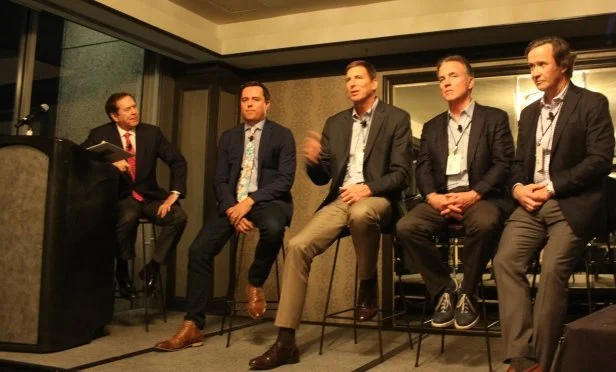
Developers weighed in on challenges, popular markets and slowdown predictions at the SIOR event (credit: Jeff Weil).

Developers weighed in on challenges, popular markets and slowdown predictions at the SIOR event (credit: Jeff Weil).

SAN JOSE — What are the challenges and opportunities in the Northern California commercial real estate market? And of course, the burning question is when will the next slowdown occur?

The SIOR Northern California chapter held its annual kick-off event at the Silicon Valley Capital Club last week to address some of the most pressing issues in the market today. Moderator Jordan Schnitzer, president of Harsch Investment Properties, peppered the group with questions on market trends, popular markets and slowdown predictions.

Panelists included Scott Lamson, president, Northwest region, Prologis; Don Little, senior vice president of development with Trammell Crow Northern California; Steve Briggs, chief investment officer, LBA Realty; and Chris Freise, managing partner and cofounder at Lift Partners. The panel began by offering a 30,000-foot view of their companies and/or where growth opportunities are occurring.

Freise explained that Lift was started four years ago. With a start-up, of course, there are challenges.

“We have to hustle for deals. There is pressure with construction costs and higher taxes in California,” Freise said. “But there is a lot of opportunity in Seattle and the Bay Area. There is a great quality of life in Northern California.”

Little pointed out there are a lot of jobs but not enough housing in the Bay Area. As a result, affordable housing burdens are often put on a project, he said. Lamson concurred, saying the cost of living in the Bay Area makes it difficult to raise families.

In looking at projects represented by the four firms, Lamson outlined that Prologis has 30 million square feet under construction, averaging 25 million square feet per year for the past three years. He said Prologis has the infrastructure in place for projects in Tracy, where the firm has 250 million and 600 million under construction, with 1 million permitted.

Specifically, Prologis has 160 million square feet in the West, broken down as follows–65 million square feet in Southern California, 40 million square feet in Northern California, 15 million square feet in Seattle, and 10 million square feet in Denver and Reno.

“I thought Tesla would hurt the Reno market but that hasn’t happened in our project there,” Lamson says.

Lamson went on to discuss the phenomenon of multi-story industrial buildings; a development technique that is commonplace in Japan. It makes sense because all floors affect each other, he observed.

“On every project, we ask, ‘can we build multi-stories?’” Lamson pondered. “I’m not sure where our next multi-story building will be: either the East Coast or California.”

Briggs says 15 to 20% of LBA’s business is e-commerce and the Denver, Reno and Tracy markets constitute a “young business” for the firm.

When discussing the hottest areas and trends, it is no surprise that the topic of opportunity zones came up. Freise said Lift is taking advantage of those projects, in addition to industrial and urban development opportunities.

Little also chimed in on the cautions and benefits of opportunity zones.

“Opportunity zones are frothy but the advantages are gravy,” he indicated. “It opens the doors to entrepreneurial capital.”

Little went on to say that Trammell Crow was not a big believer in Livermore or Morgan Hill but now has a project in Morgan Hill scheduled to break ground in fourth quarter 2019. The project is 16 miles from San Jose. Still, labor woes continue to be an issue.

“Labor has become a factor, especially in Oakland but even in Tracy,” Little says.

Freise pointed out that areas of interest for Lift are Oakland, Redwood City and San Jose’s downtown, which is “on a trajectory and there is a lot of room to run in general. However, San Francisco is tight as a drum,” he observes.

Briggs said interest rates and liquidity have a big impact on the market but in general, Seattle and West Los Angeles are the most robust. LBA is cautious about San Jose, however, transit-oriented walkable space is in demand.

Also of caution is exactly when a slowdown will occur, but some are not as concerned as one might think.

“We’d love to see a nice little recession: a good old-fashioned hiccup, not a 2008,” Briggs said.

Little pointed out that the difference in 2008 and now is that banks are more disciplined and the market is forward looking. Lamson agreed that the economy is on more solid footing but says technology may be out over its skis.

“Tech is concerning because it reminds me of 1999 and 2000, but we are in a better position,” Lamson said. “And, e-commerce won’t slow down.”

Sunday 02.24.19
Posted by Chris Freise
 
Newer / Older

Redco Development LLC / Established 1956 & Reborn 2019 / All Rights Reserved
One Embarcadero Center, Suite 1200 San Francisco, CA 94111 / (415) 450-1466